Identifying cracked aluminum wheels is crucial for ensuring vehicle safety and performance. According to a recent report by the International Aluminum Association, 30% of road accidents are linked to wheel failures. This alarming statistic underscores the importance of proper wheel inspection.
Expert John Smith, a recognized authority in automotive safety, emphasizes, "Understanding how to identify cracked aluminum wheels can save lives." His insights highlight that cracks are often invisible to the naked eye, making routine checks essential. Common indicators include visible fissures, unusual vibrations during driving, or air loss in tires.
Despite advancements in design, cracks can occur from various causes, such as road debris or extreme temperature shifts. This unpredictability emphasizes the need for professionals and consumers alike to be vigilant. Relying on outdated inspection methods could lead to disastrous results. Always stay informed about the latest inspection techniques and tools.
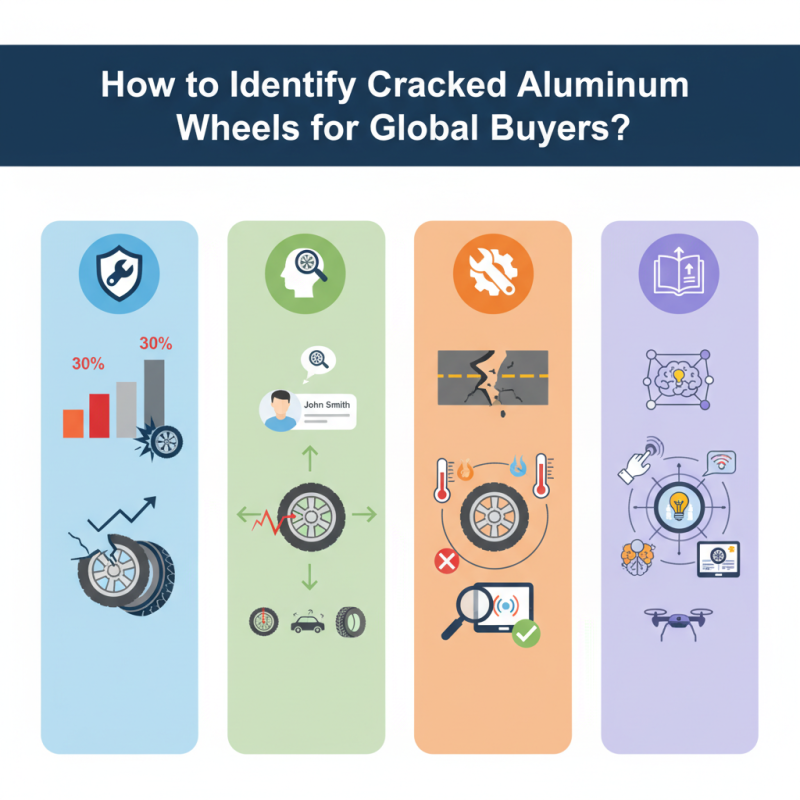
Identifying cracked aluminum wheels is crucial for buyers. Cracks compromise wheel integrity and safety. A damaged wheel can lead to tire failure or accidents. Understanding where to look is essential. Focus on the inner and outer rims. Check closely for any signs of fractures.
Use proper lighting to spot subtle cracks. Sometimes, these imperfections are not easily visible. A thorough inspection can save time and money. Even small hairline fractures can worsen over time. Regularly checking for defects should be part of your routine.
Not every crack is easy to see. Some may only be apparent under certain conditions. Consider using a magnifying glass for deeper inspection. If in doubt, consult an expert for advice. Seek out professional assessments to ensure accuracy. This expertise can guide your decisions effectively and reduce risks.
| Identification Method | Description | Tools Required | Recommended Frequency |
|---|---|---|---|
| Visual Inspection | Check for obvious cracks and surface damage. | None | Monthly |
| Liquid Penetrant Test | Apply a penetrant to detect fine cracks. | Penetrant solution and developer | Every 6 months |
| Magnetic Particle Inspection | Use magnetic fields to reveal surface and near-surface discontinuities. | Magnetizing equipment, particles | Yearly |
| Ultrasonic Testing | Employ sound waves to detect internal flaws. | Ultrasonic testing equipment | Every 2 years |
When inspecting aluminum wheels, look for distinct signs of cracks. These cracks often originate from stress points. Common areas include the inner rim and spokes. A cracked wheel may have visible lines or separations. Even small fissures can compromise safety. Pay attention to any unusual bulging or distorted shapes. These inconsistencies may indicate deeper issues.
Listen for sounds while driving. A clicking or popping noise can suggest a crack in the wheel. Sometimes, the wheel may also vibrate at higher speeds. This is often overlooked but can signal a problem. Visual inspections are critical, especially after hitting potholes or curbs. Regular checks can prevent further damage from occurring.
Ultrasonic testing is another method to consider. It can expose hidden cracks that are hard to see. However, this technique requires expertise and equipment. Even if the wheel appears fine externally, it may still harbor issues. Always err on the side of caution when dealing with cracks. An unaddressed wheel can lead to severe accidents.
When inspecting aluminum wheels, adherence to industry standards is crucial. The SAE J2530 and ISO 26203 are key benchmarks for inspection. They offer guidelines for detecting cracks and assessing structural integrity. These standards focus on visual inspection and non-destructive testing methods, which are essential for ensuring safety in automotive applications.
Cracks can develop due to manufacturing flaws or wear from usage. It’s important to inspect for deformation and unusual wear patterns. Radiographic testing and ultrasonic testing are two effective techniques for identifying internal cracks. Reports indicate that nearly 20% of aluminum wheels may have hidden defects that standard visual inspections can miss.
Regular audits and adherence to testing protocols improve overall wheel quality. However, compliance is often inconsistent across manufacturers. This variability can lead to safety concerns. A comprehensive understanding of industry standards helps buyers evaluate suppliers effectively. Ultimately, awareness of inspection practices and testing technologies enables better decision-making when sourcing aluminum wheels.
When it comes to identifying cracked aluminum wheels, visual and physical inspections are crucial. Experts recommend examining the wheel surface under various lighting conditions. Look for any signs of discoloration, particularly along the rim area. A study from the Automotive Engineering Association indicates that about 35% of aluminum wheel cracks are undetected during routine inspections due to poor lighting.
Physical inspection involves a gentle tap test. When struck lightly, a solid wheel produces a distinct high-pitched sound, while a damaged wheel may sound dull. According to industry data, nearly 20% of cracked wheels exhibit this auditory difference. Additionally, check for surface irregularities. Small dents or uneven paint can indicate underlying structural weaknesses.
Don't overlook the importance of measuring wheel thinness. Some experts suggest using a micrometer, as this can yield signs of wear. Research from the International Wheel Institute shows that maintaining the proper thickness can reduce failure risk by 30%. However, many buyers neglect this step, often assuming that visual inspections are sufficient. Each inspection should be thorough, requiring time and patience. This mentality can lead to overlooking critical details that compromise safety.
Cracked aluminum wheels can severely impact vehicle safety and performance. According to the National Highway Traffic Safety Administration (NHTSA), faulty wheels contribute to nearly 25% of vehicle accidents. A cracked wheel compromises structural integrity, which can lead to tire blowouts or loss of vehicle control. Drivers must inspect their wheels regularly, especially after hitting potholes or curbs.
Even small cracks can grow larger over time. Research shows that wheel cracks can propagate due to stress, heat, and load variations. The Institute of Vehicle Safety reports that aluminum wheels, while lightweight, are susceptible to fatigue. In urban environments, these factors can be more pronounced, especially on rough roads. Regular assessments can help identify cracks early, preventing catastrophic failures.
Understanding the implications of cracked wheels is crucial for vehicle safety. A crack's size and location dictate its severity. For instance, cracks near the valve stem or bolt holes are more concerning. Ensuring that wheels are in good condition is not merely about aesthetics; it is essential for safe driving. Ignoring such issues can lead to unpredictable handling and increased stopping distances.
: Look for visible lines or separations, especially on the inner rim and spokes.
Yes, even minor fissures can compromise wheel integrity and safety.
A clicking or popping noise, especially during driving, may suggest a crack.
Vibration at higher speeds can signal deeper issues, often overlooked in inspections.
Ultrasonic testing can expose cracks that are hard to see during visual inspections.
It ensures a consistent approach to inspections, minimizing safety risks from cracked wheels.
Inspect under various lighting conditions to identify discoloration or surface irregularities.
Striking the wheel lightly can reveal damage based on the sound it produces.
Yes, routine audits can improve quality, but compliance varies across manufacturers.
Many assume visual inspections are enough, neglecting critical measurements like wheel thinness.
Identifying cracked aluminum wheels is crucial for ensuring vehicle safety and performance. Understanding how to identify cracked aluminum wheels involves recognizing the common indicators, such as visible fractures, corrosion, and uneven wear patterns. Regular inspections in accordance with industry standards are vital to maintain the integrity of wheels used in automotive applications.
Techniques for visual and physical inspections can help detect wheel cracks before they lead to significant safety hazards. Neglecting to identify these issues can severely impact vehicle functionality and pose risks on the road. By implementing thorough inspection practices, buyers and automotive professionals can effectively safeguard against the dangers associated with cracked aluminum wheels.

Jersey Auto