Jersey Auto
1 / 5


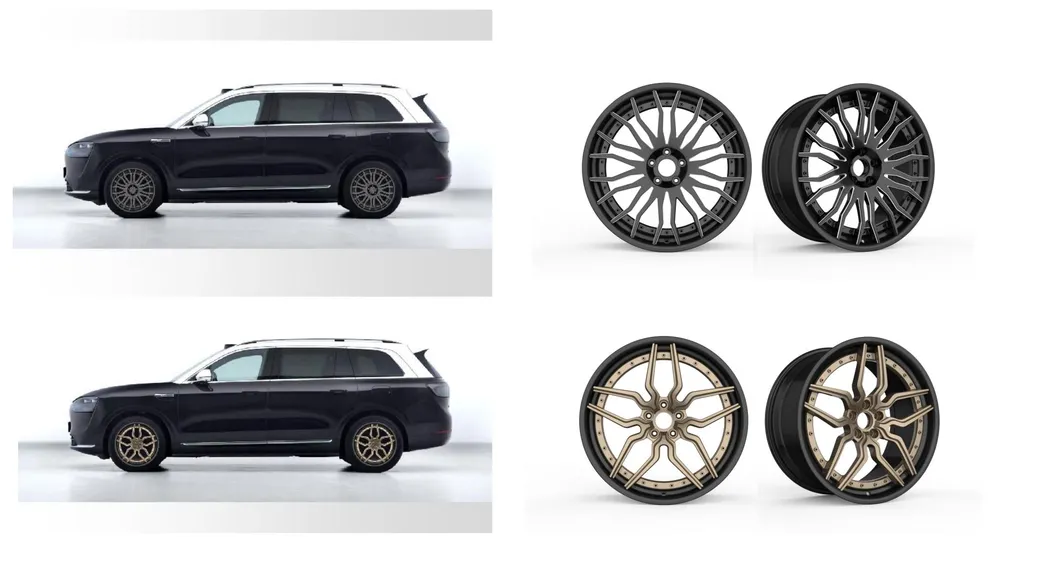
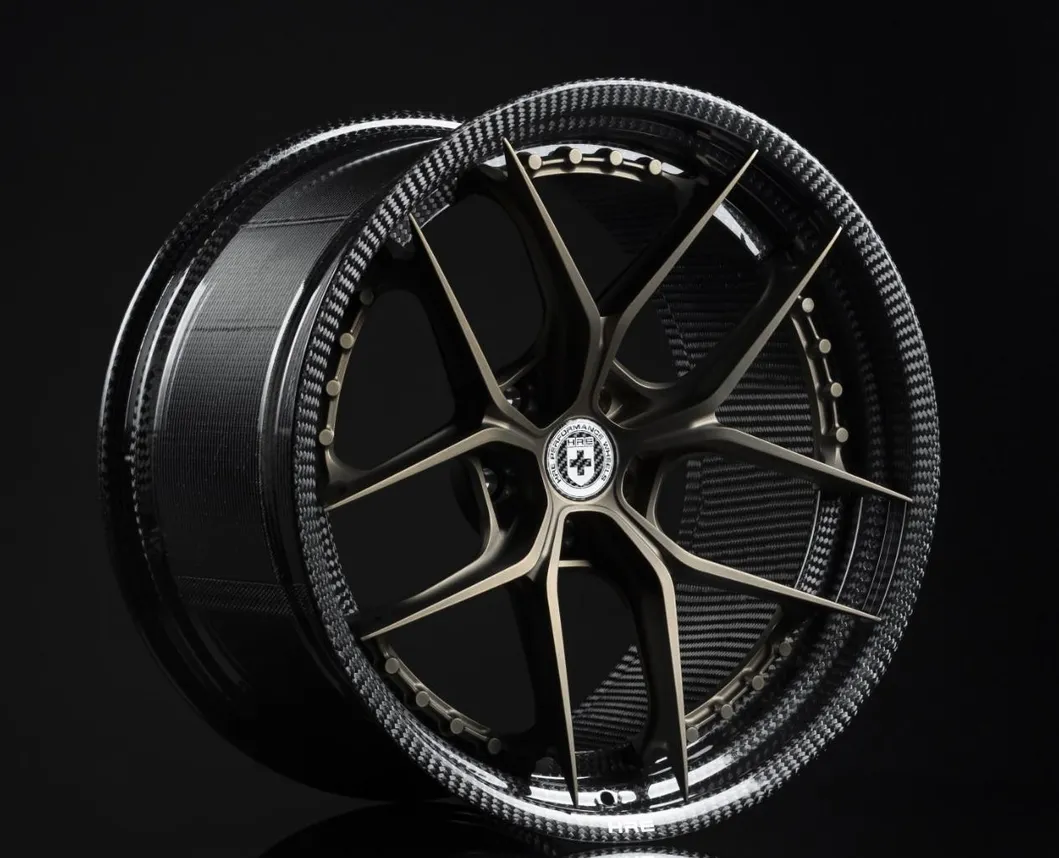
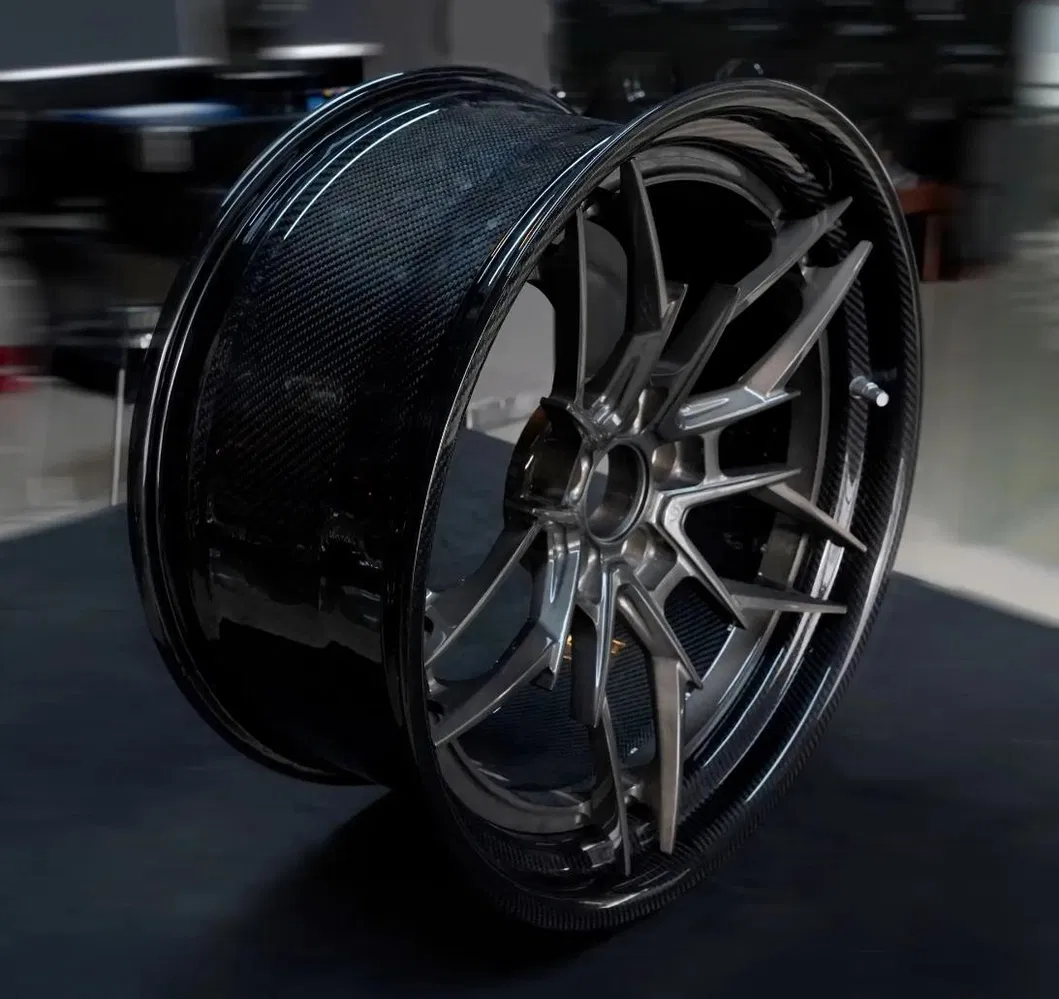
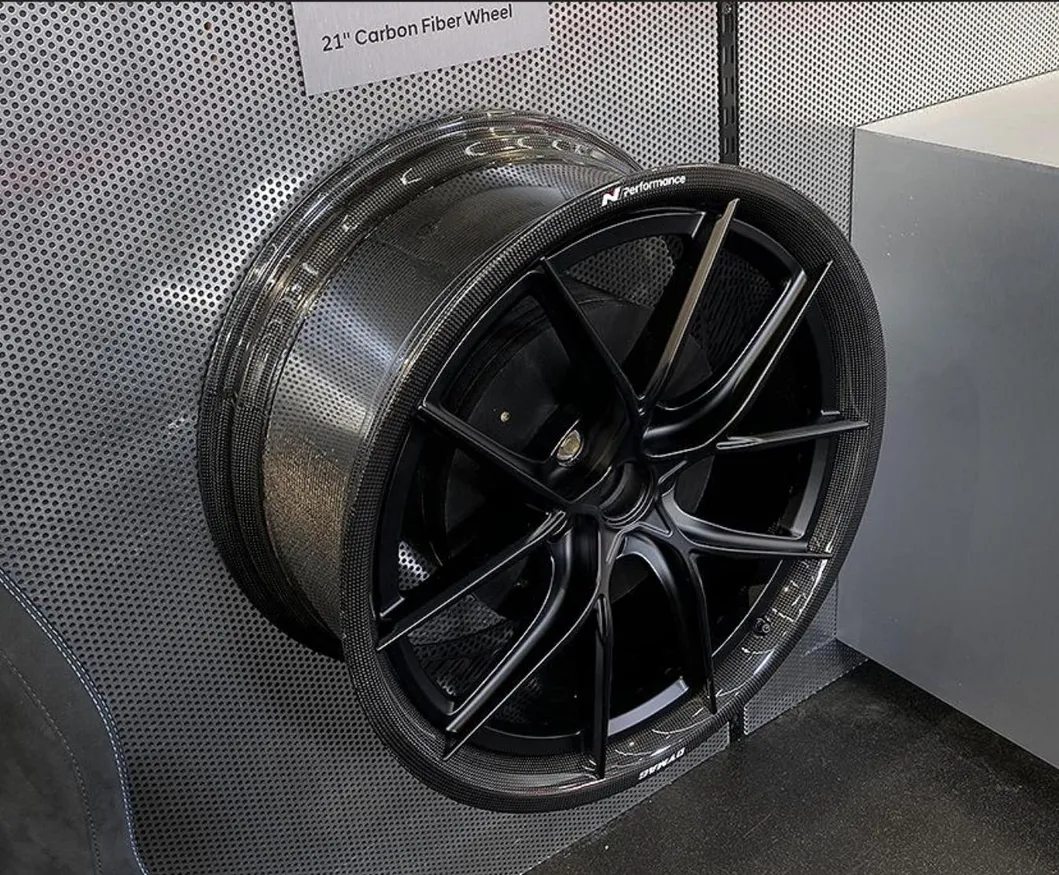
| Size | Width | Lip Depth(mm) | 2PCS Forged Barrel (kg) | Carbon Fibre Barrel (kg) |
|---|---|---|---|---|
| 20 Inch | 9.0 | 40 | - | 5.5 |
| 20 Inch | 9.5 | 58.5 | 5.97 | 4.5-4.7 |
| 20 Inch | 10.5 | 75 | 6.37 | 4.7-4.9 |
| 20 Inch | 11.0 | 89 | 6.57 | 5.0-5.1 |
| 21 Inch | 9.5 | 58.5 | 6.28 | 4.7-4.9 |
| 21 Inch | 10.0 | 75 | 6.49 | 5.1-5.3 |
| 21 Inch | 12.0 | 89 | 7.34 | 5.7-5.9 |
| 22 Inch | 10.5 | 75 | - | 5.45-5.65 |
| 23 Inch | 10.5 | 75 | - | 5.7-5.9 |
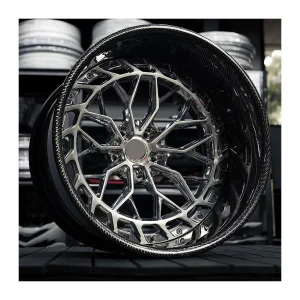
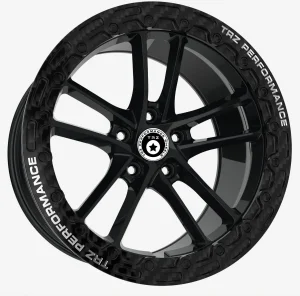
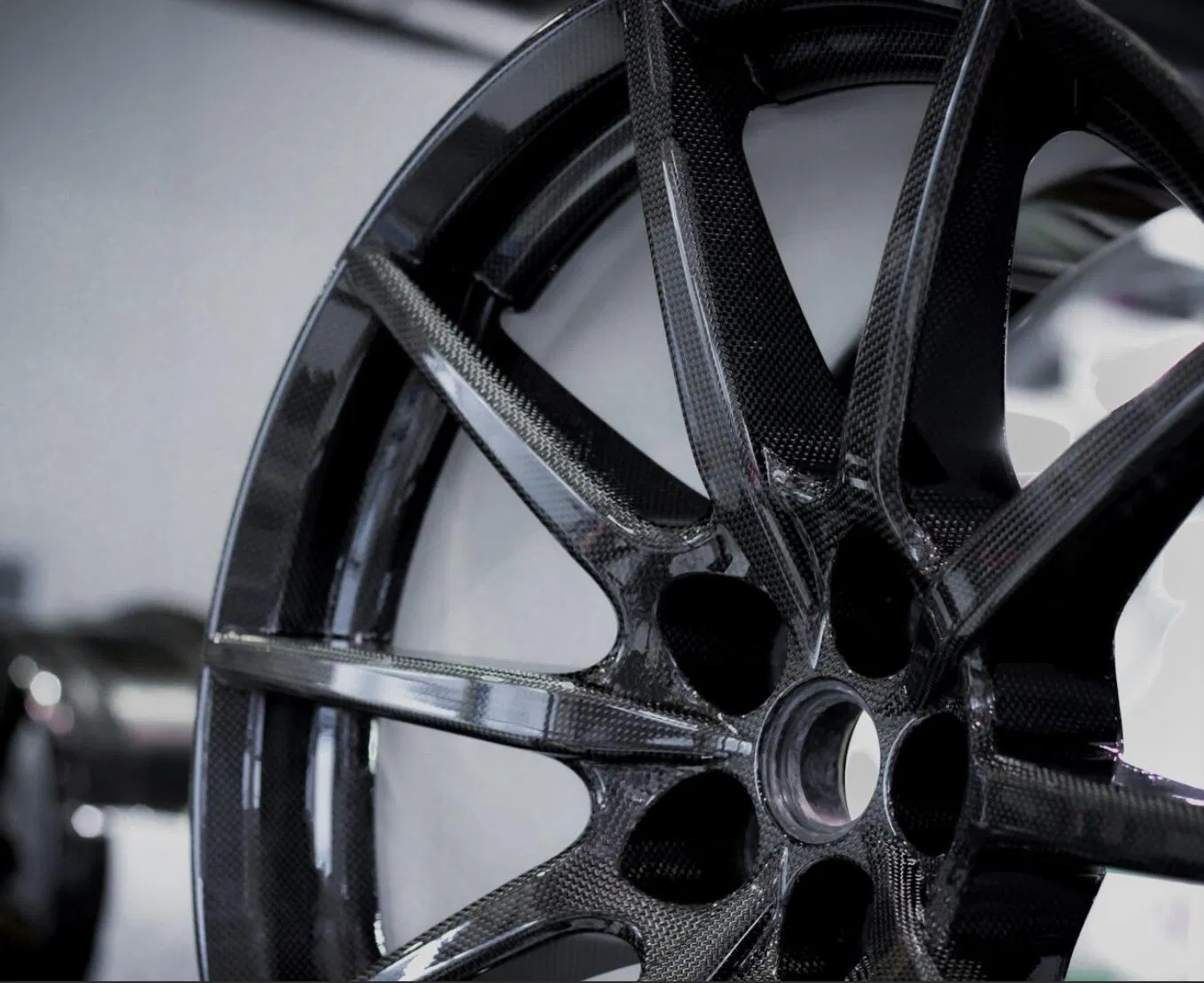
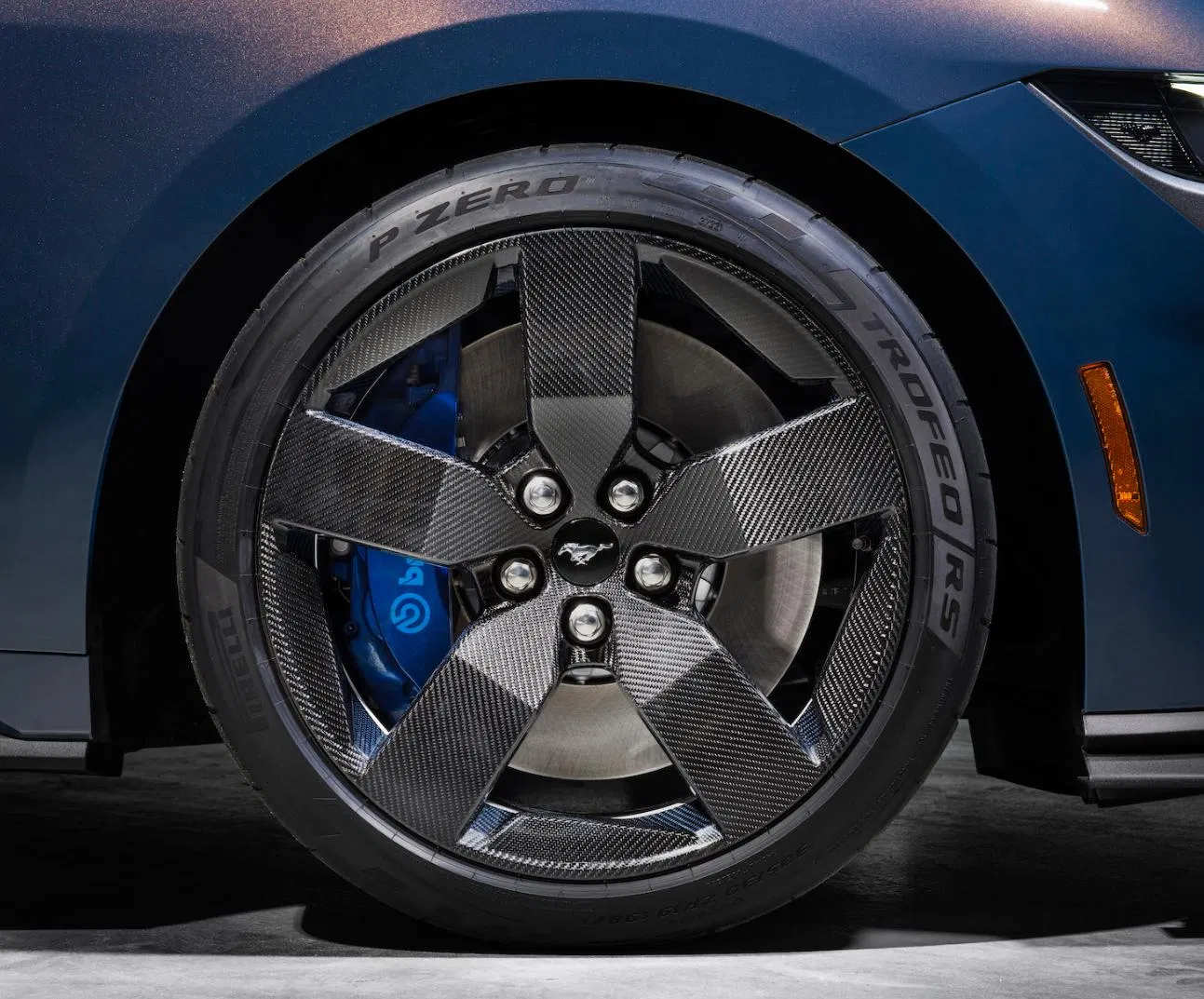
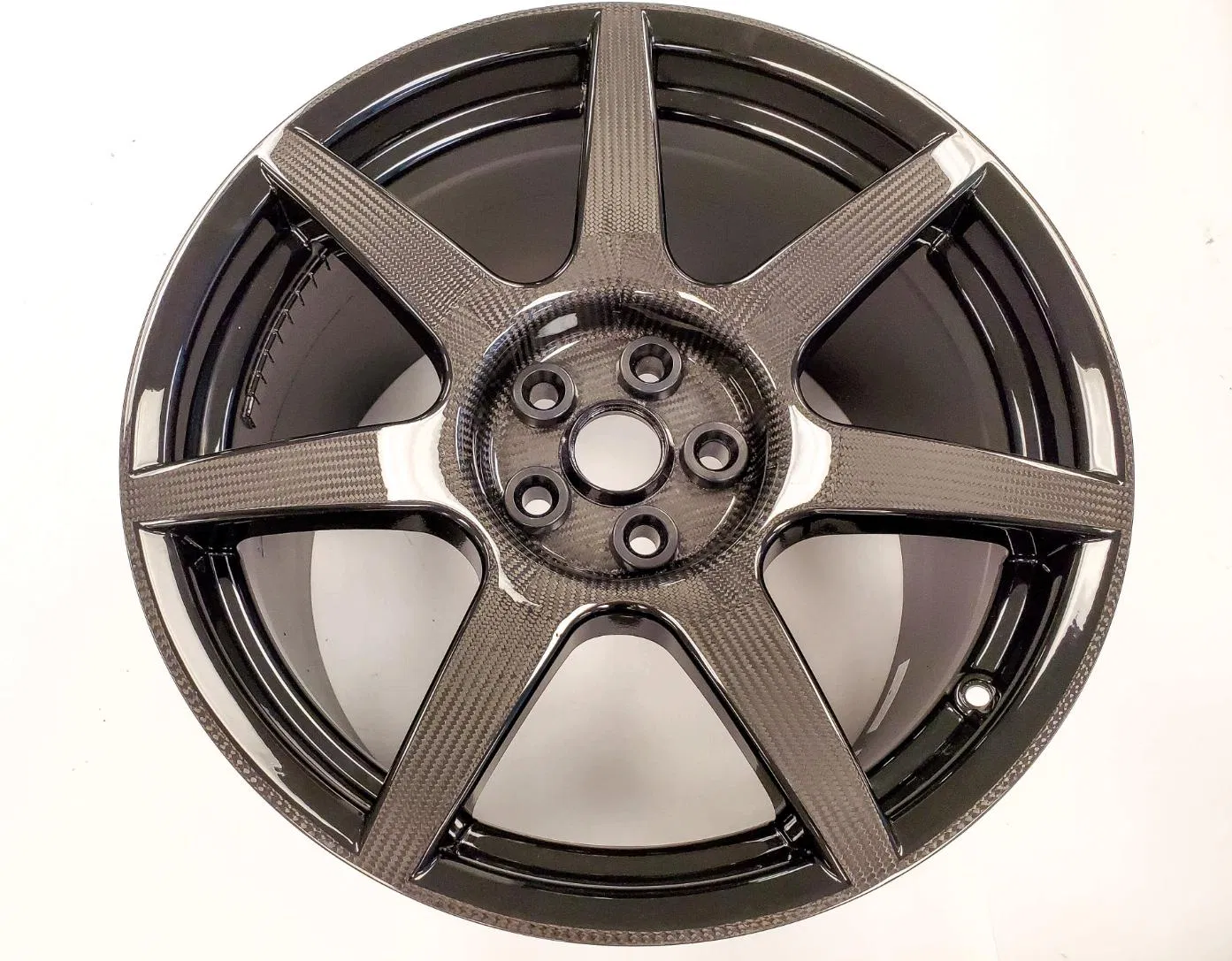
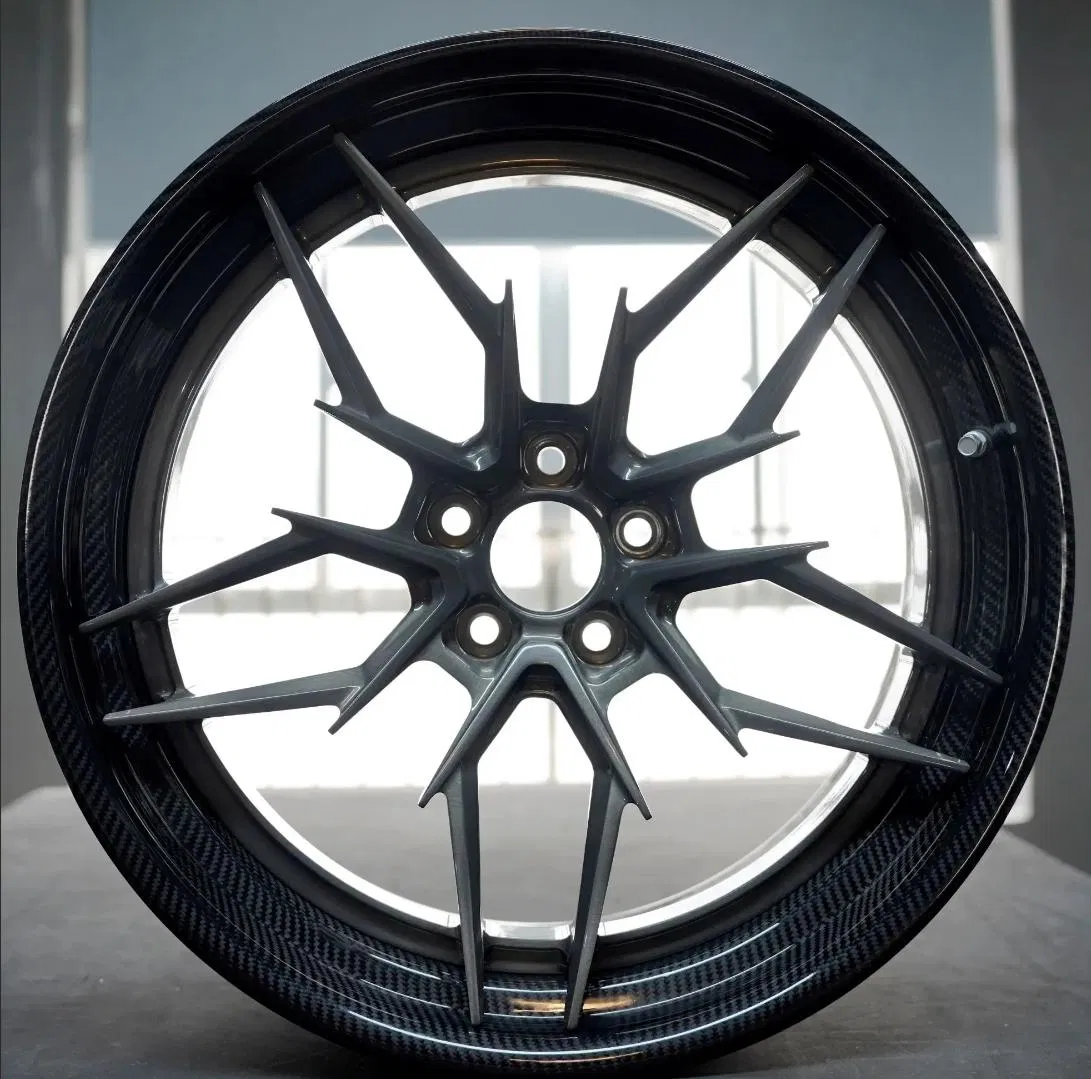
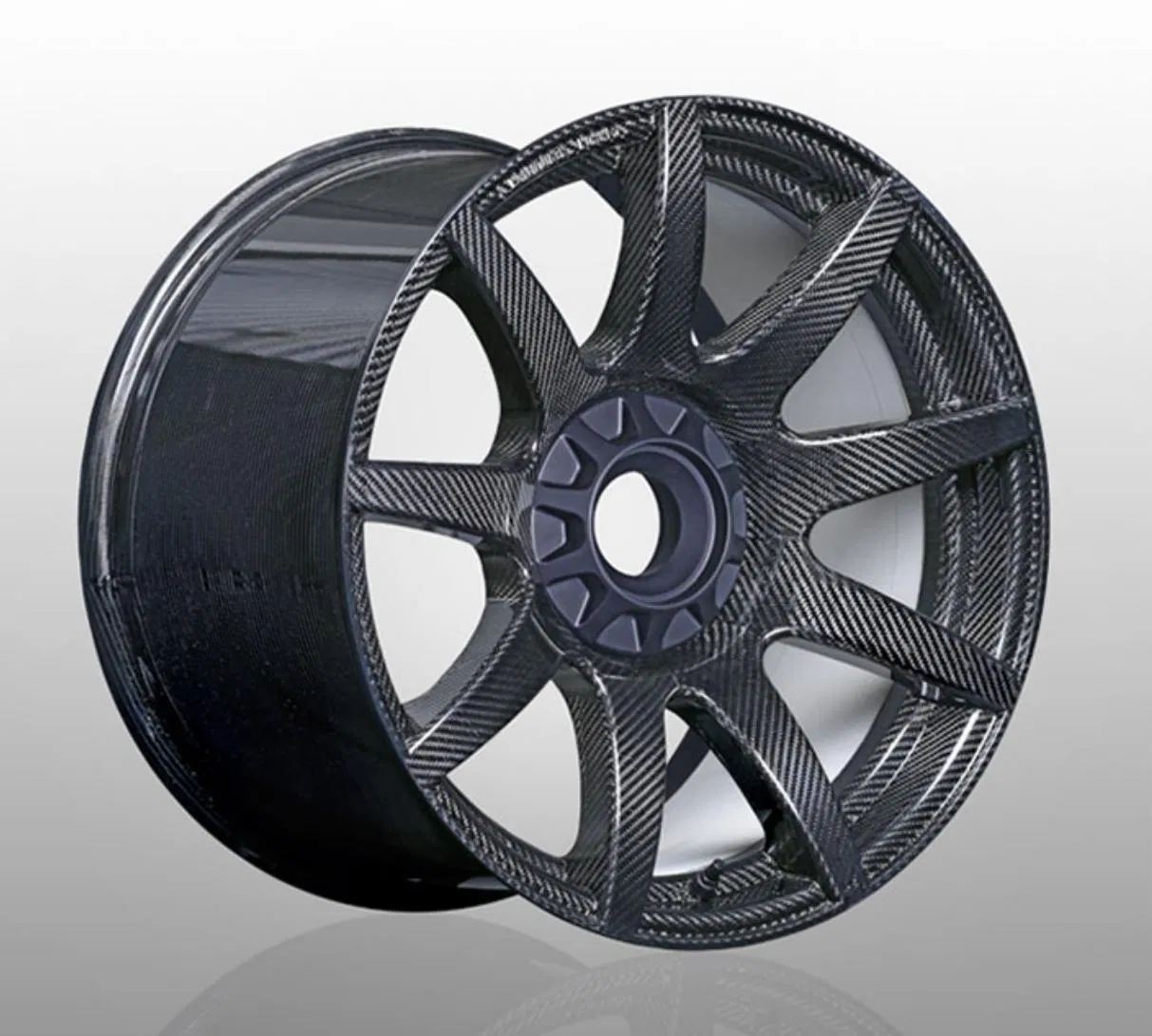
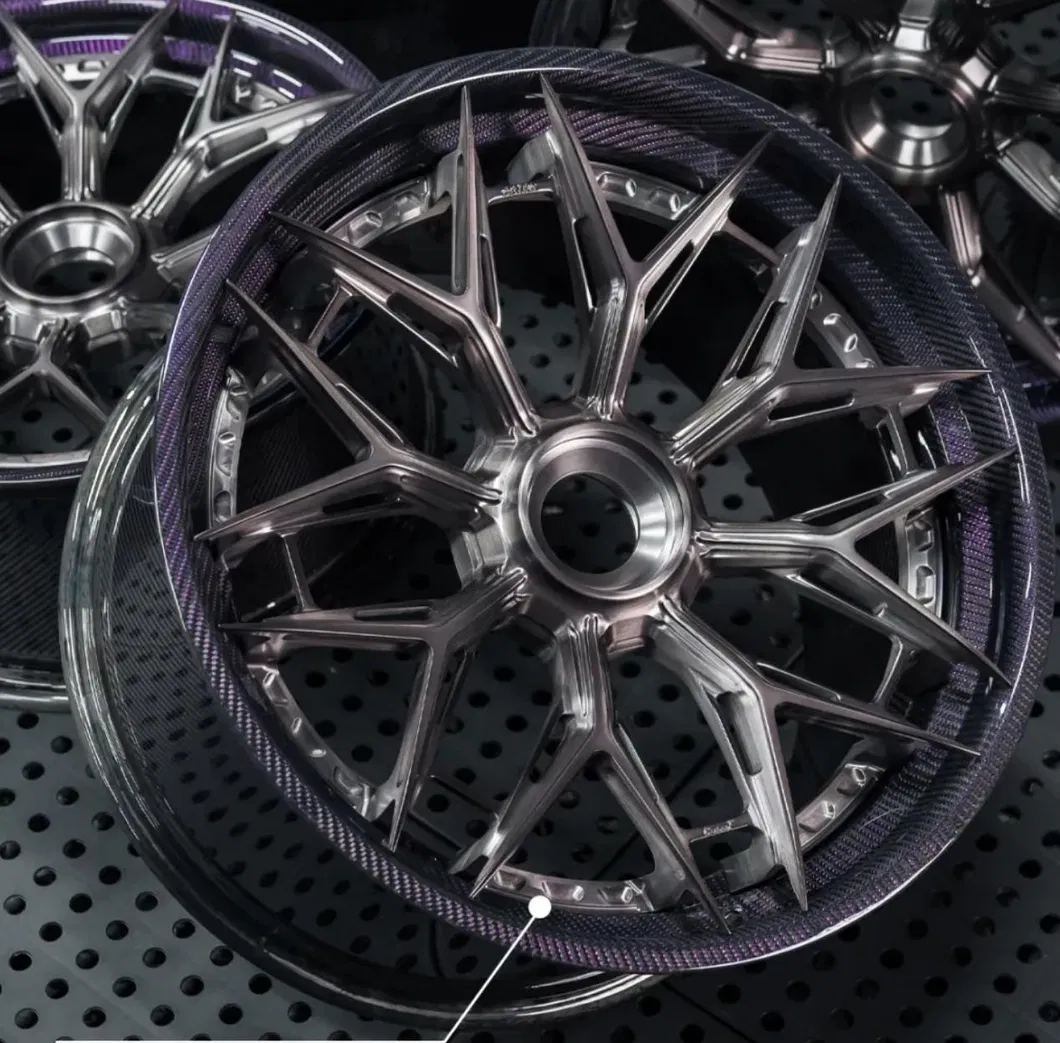
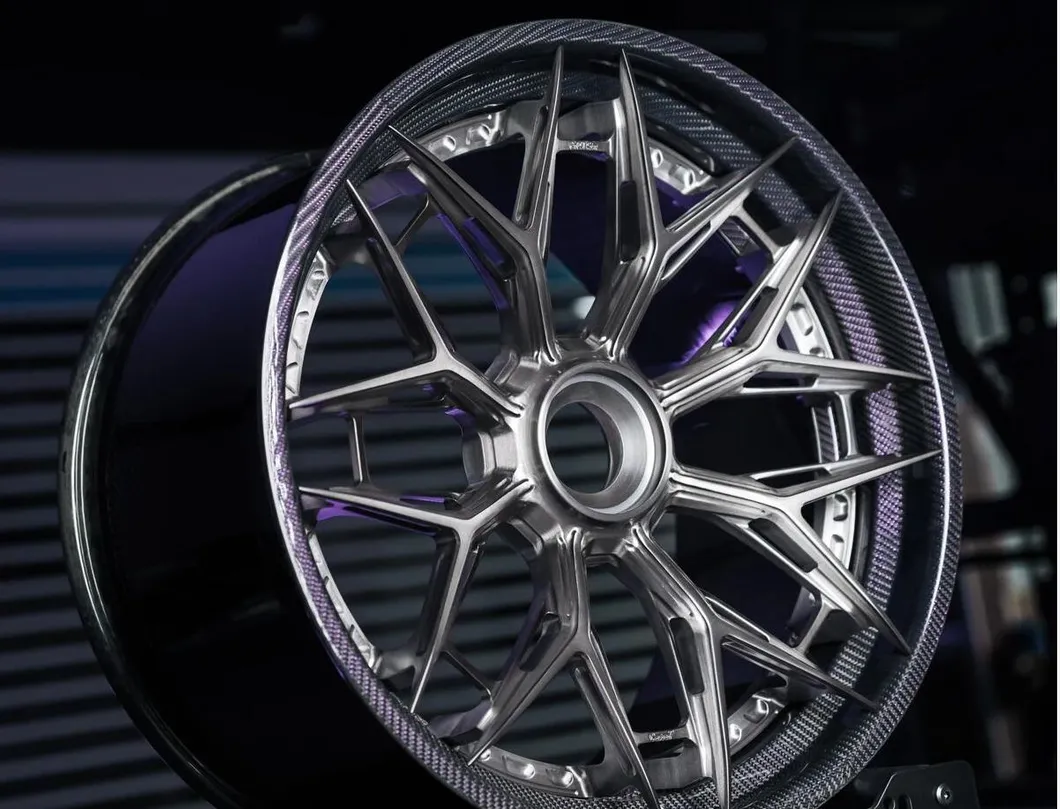
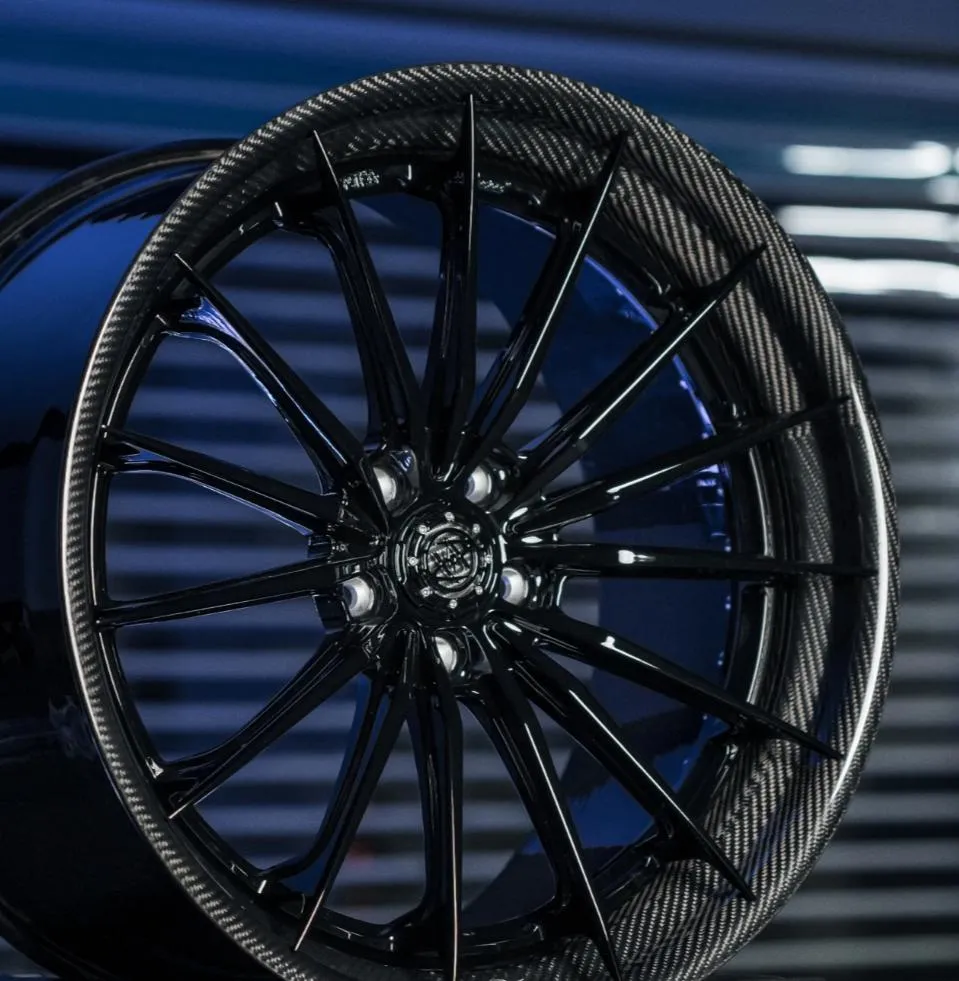
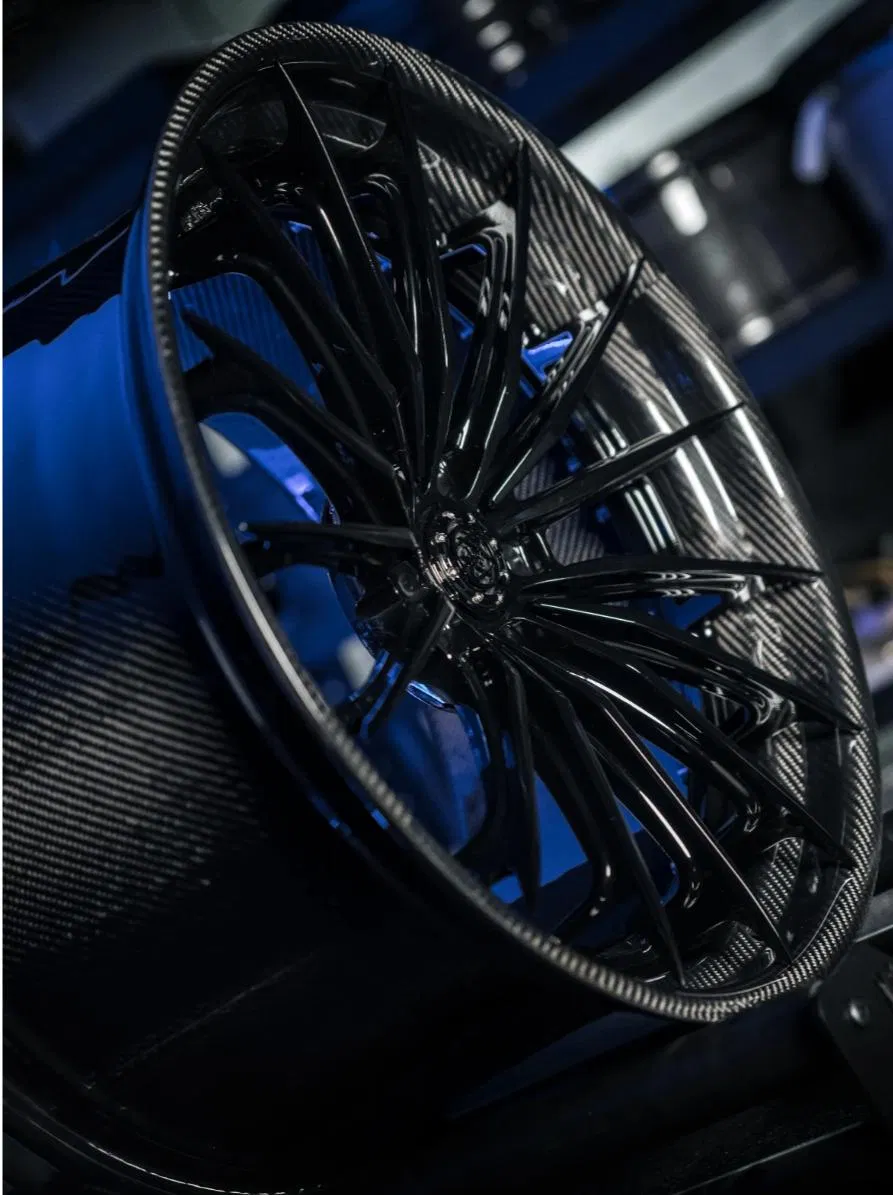
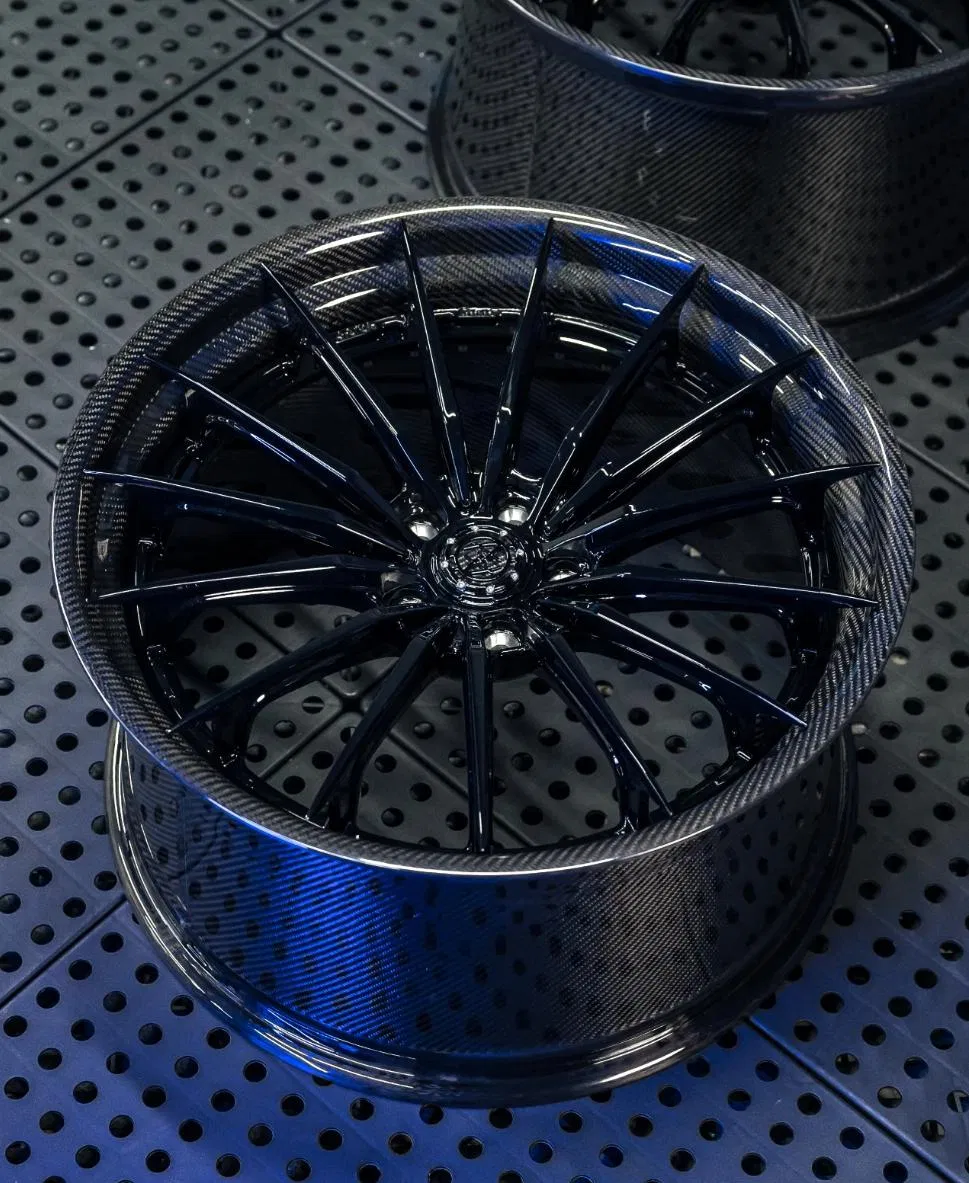
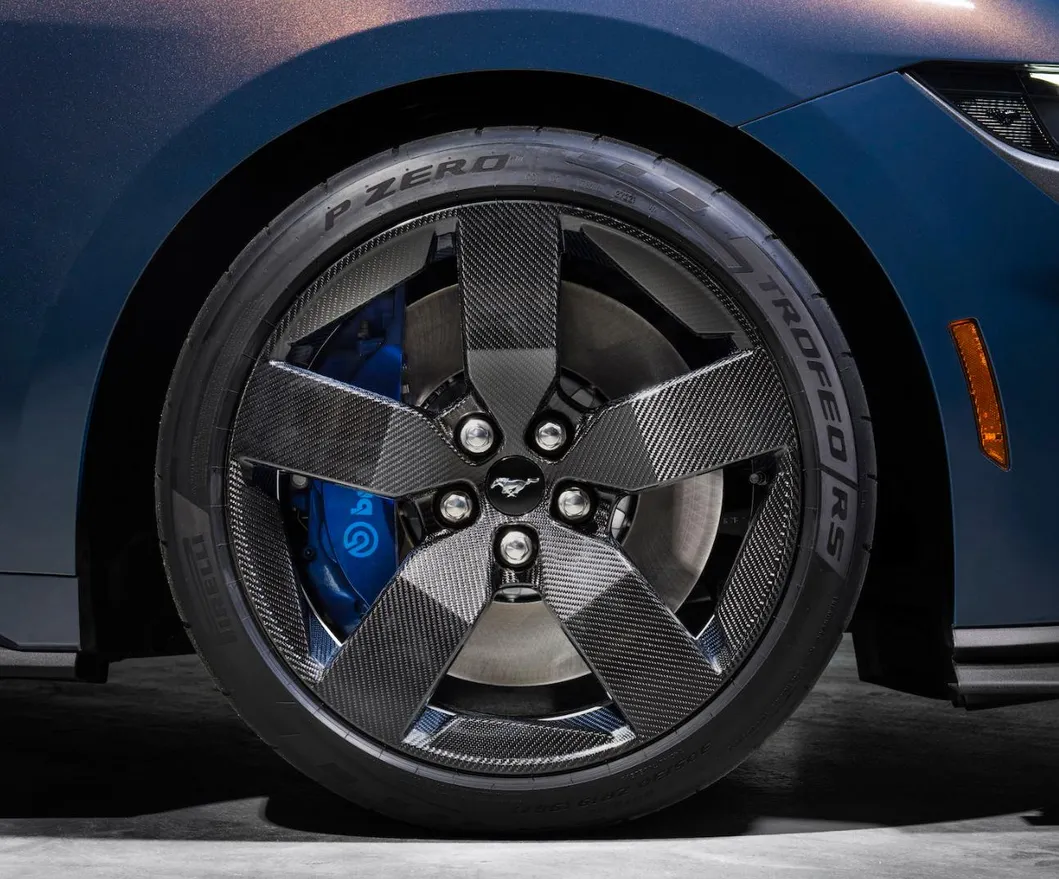
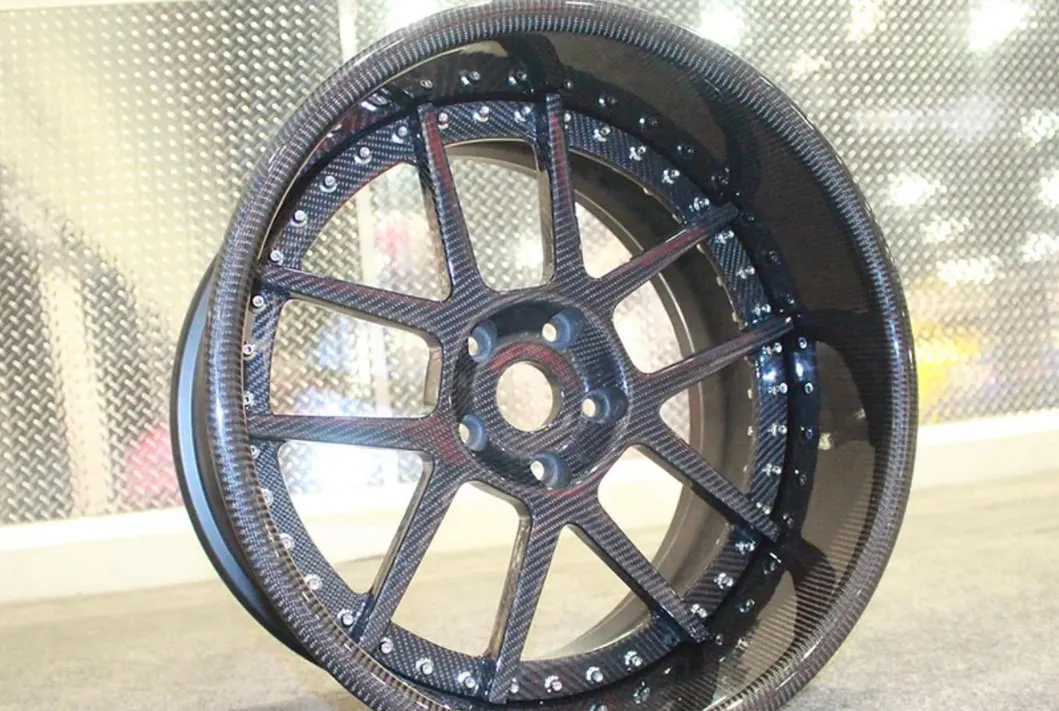
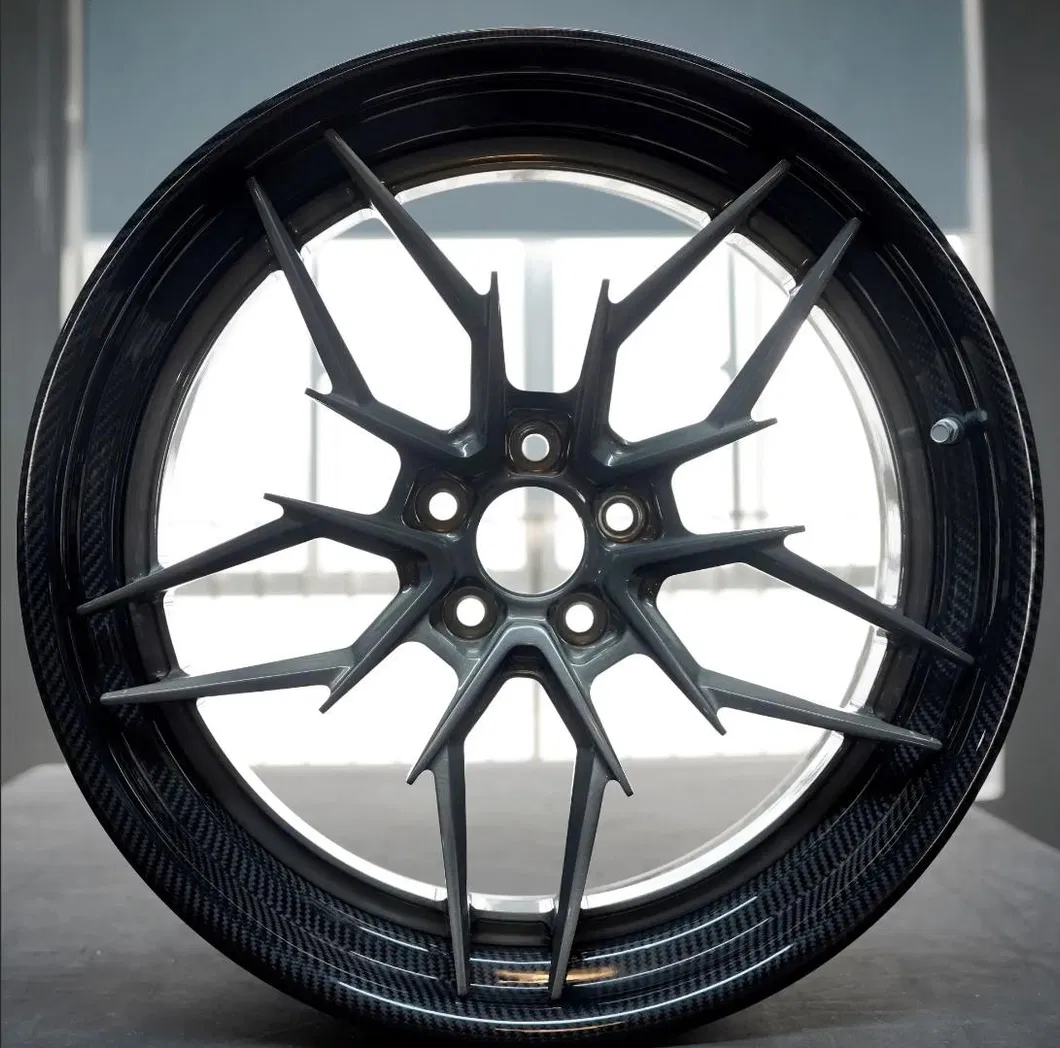
In the relentless pursuit of automotive excellence, where every gram and every newton-meter counts, the evolution of wheel technology has taken a monumental leap forward with the advent of carbon fiber wheels. Once exclusive to the pinnacle of motorsport like Formula 1, these engineering marvels are now increasingly available for high-performance supercars and even enthusiast-owned sports cars.
Carbon fiber wheels are typically 20% to 40% lighter than their forged aluminum counterparts. This saves unsprung mass, improving acceleration, braking, and suspension response.
Despite being light, carbon fiber composites offer superior tensile strength. This ensures increased lateral stiffness during hard cornering and maintains optimal camber geometry under extreme loads.
Carbon fiber is a poor conductor of heat. It isolates braking heat from the wheel hub and tires, ensuring consistent tire pressure and optimal grip during high-performance driving.
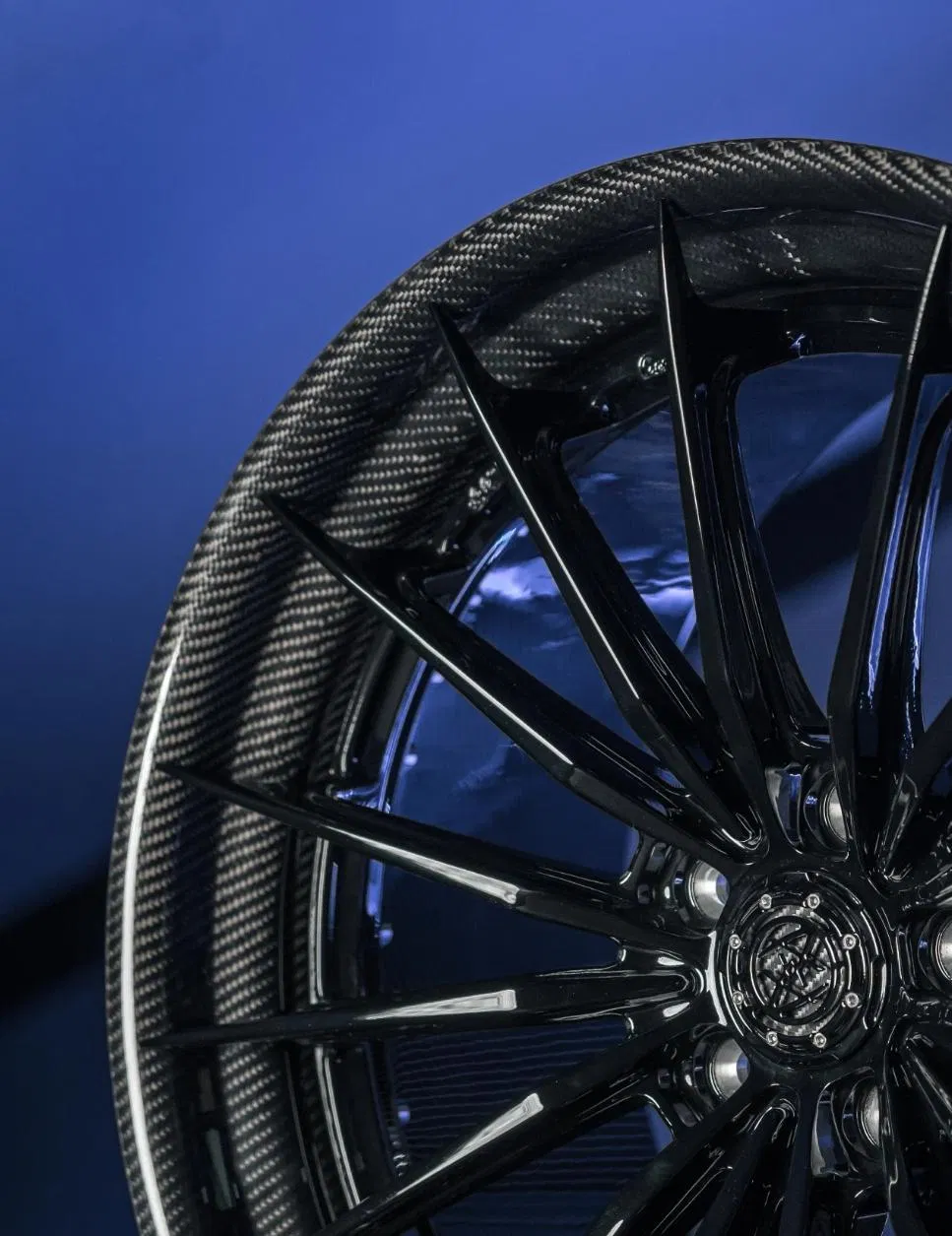
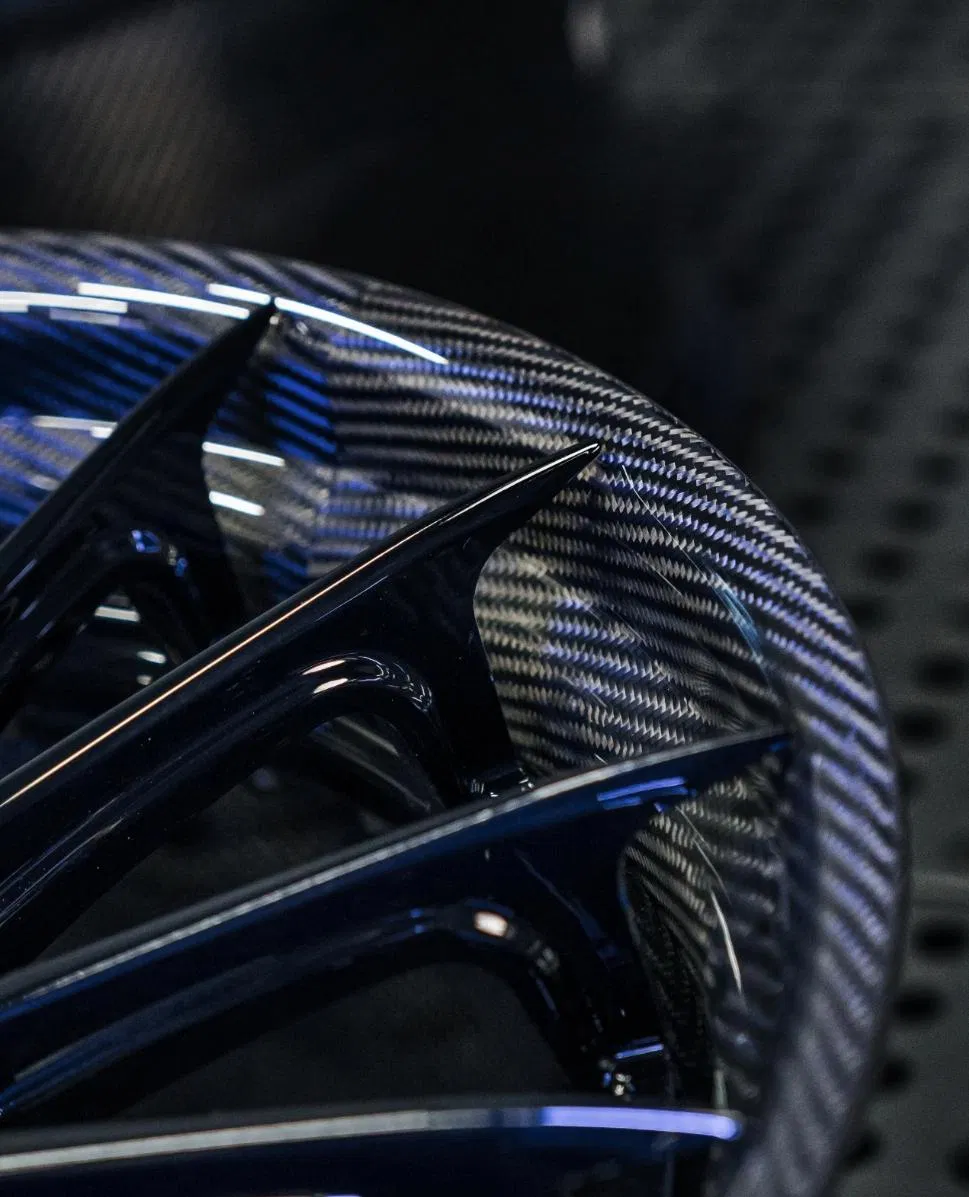
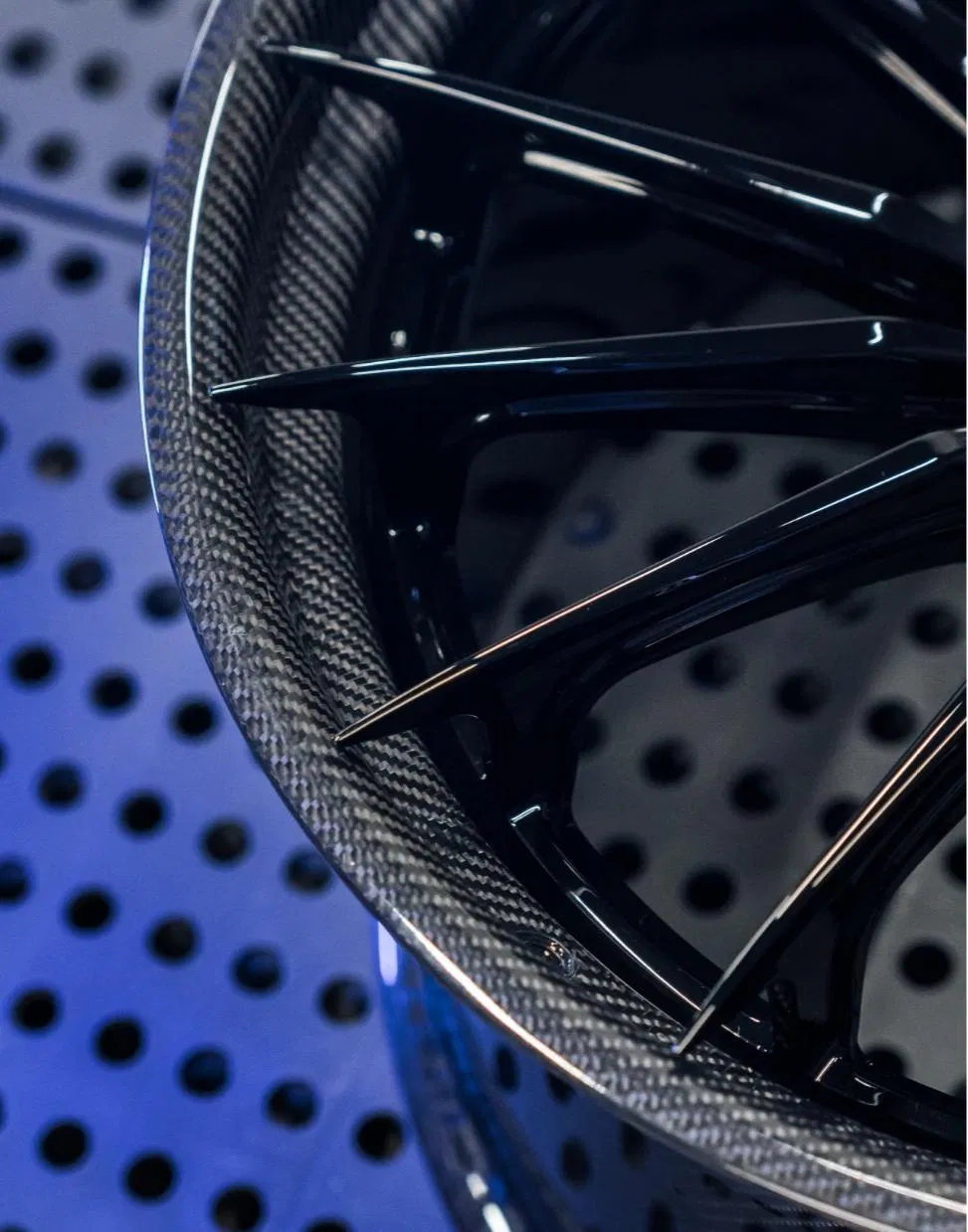
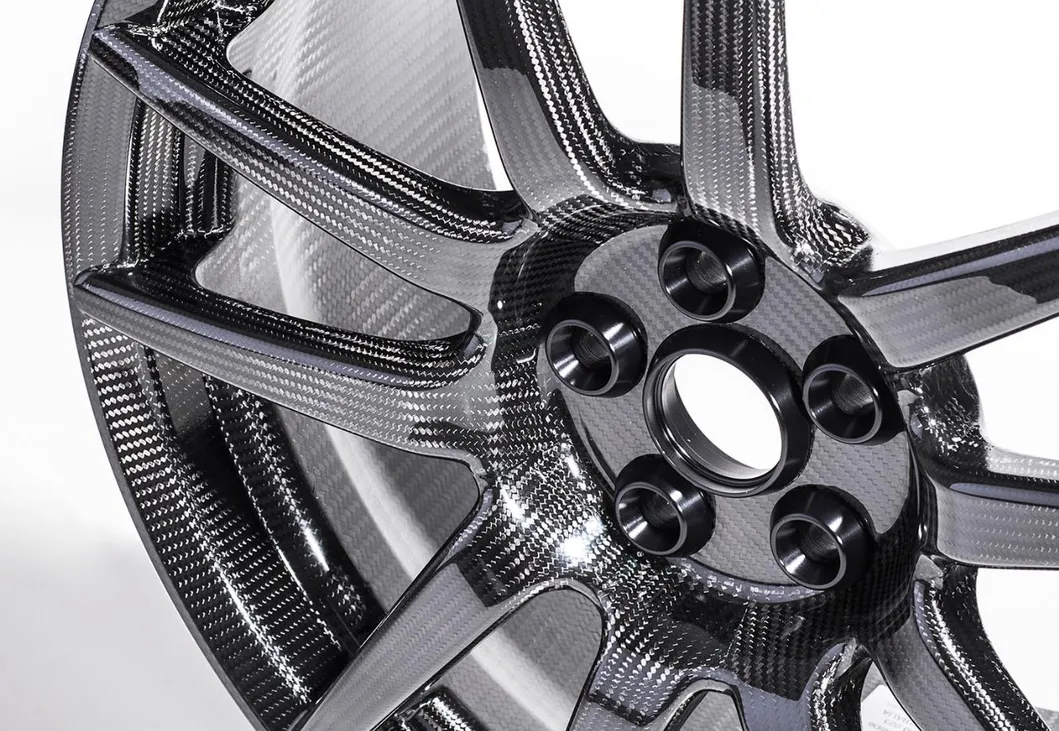
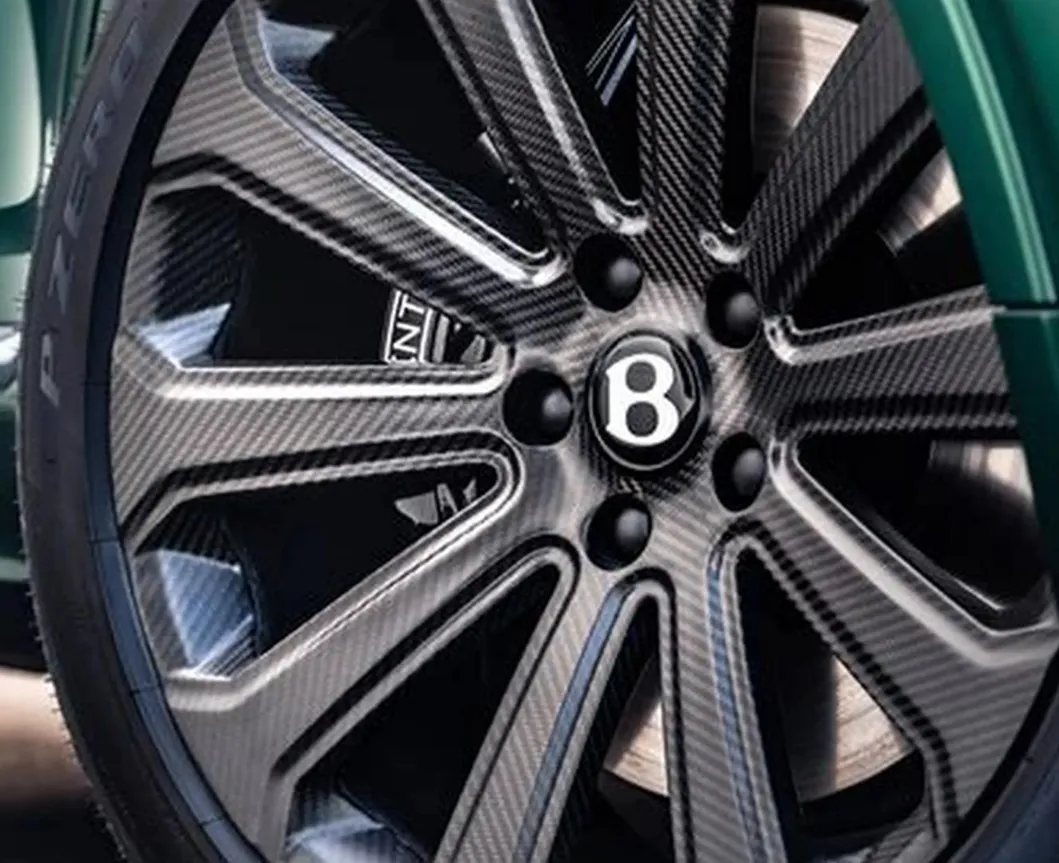
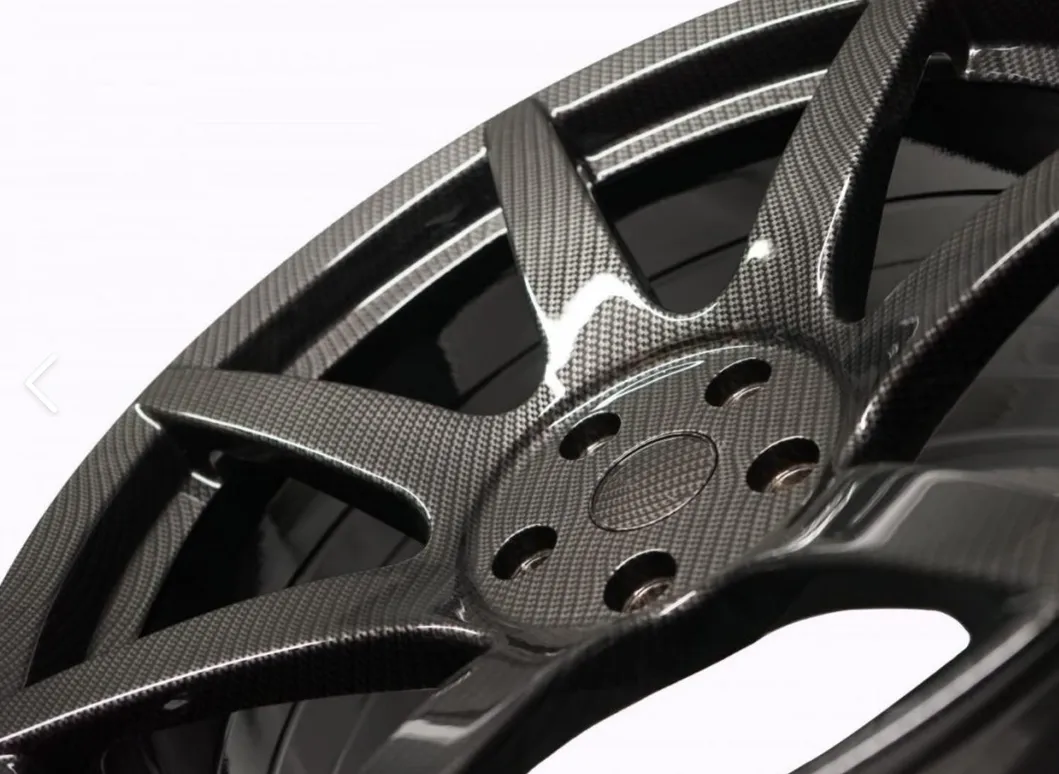
Intricate weave patterns (2x2, 4x4) and premium finishes (gloss, matte) provide a high-tech look that metal wheels cannot match.